The Intersection of Light and Architecture Through Frameless Doors
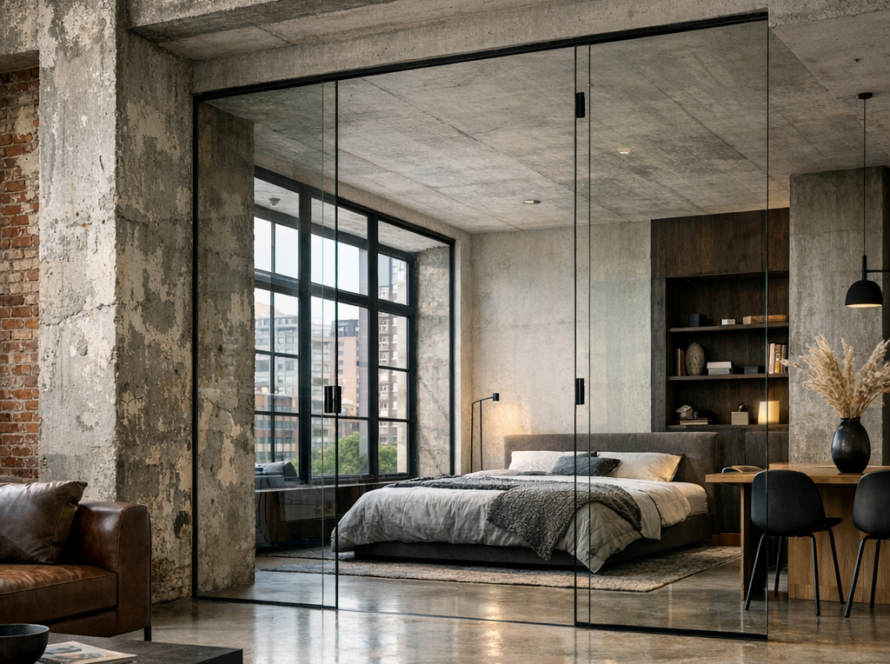
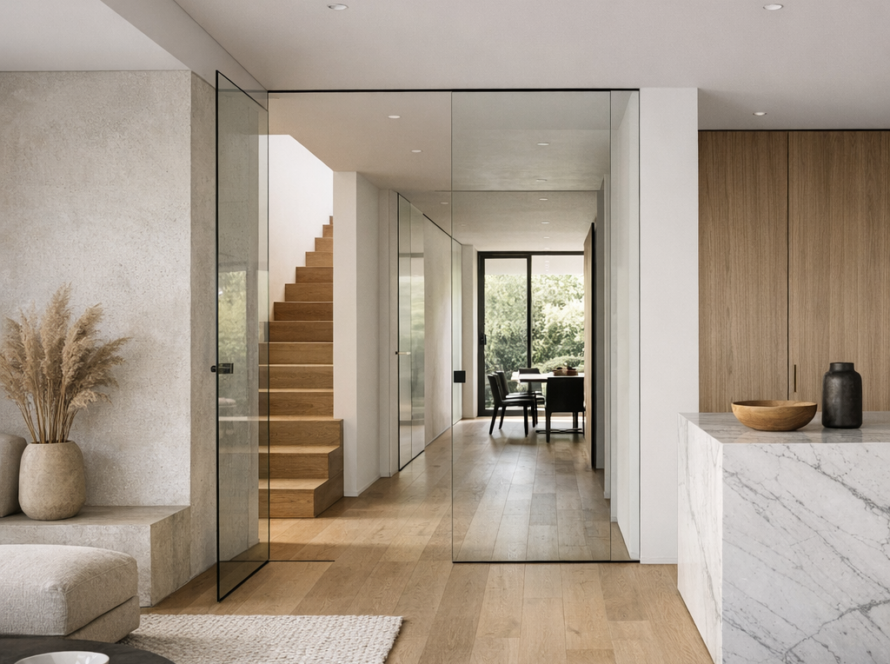
In contemporary architecture, the subtle interplay of light and space defines the sensory experience of interiors. Frameless interior doors are no longer considered mere functional boundaries—they have evolved into refined architectural instruments capable of modulating natural light to sculpt ambiance and spatial perception.
Light as a Dynamic Architectural Medium
Architectural light dynamics involves the orchestrated use of natural and artificial illumination to influence perception and emotions within a built environment. Frameless interior doors, often realized in glass or translucent materials without visible frames, act as conduits and filters for daylight, transforming static light into moving textures and volumes.
Unlike traditional doors that create stark visual breaks, frameless doors encourage a seamless communication between spaces while allowing light to flow freely. This uninterrupted translucency serves as an artistic element that architects and designers harness to craft unique daylit scenarios.
Materiality’s Role in Light Manipulation
The choice of material deeply influences how light interacts with a frameless door. Clear glass maximizes transparency, offering unfiltered daylight and crisp shadows, thus expanding perceived spatial boundaries. Alternatively, frosted or textured glass diffuses light, creating soft ambient glows and enhancing privacy without sacrificing the quality of illumination.
Advanced glass types such as low-iron or coated variants can reduce glare and improve color fidelity, preserving the natural character of daylight. Additionally, other materials like acrylic panels or innovative composites offer new light transmission qualities that can be tailored for specific architectural effects.
Architectural Contexts for Light-Driven Frameless Doors
Several residential settings benefit from the dynamic use of frameless doors as light modulators:
- Open-Concept Living: Frameless doors delineate subspaces without heavy visual interruption, maintaining daylight penetration throughout larger open volumes.
- Transition Zones: Hallways or vestibules fitted with translucent frameless doors become luminous thresholds, enhancing the sense of arrival and circulation.
- Private Spaces: Bedrooms and studies use diffused glass doors to balance daylight and privacy, enriching mood and comfort.
Integration with Surrounding Elements
The effect of light through frameless doors is also contingent upon surrounding interior elements such as wall colors, flooring, and furnishings. Matte or textured finishes adjacent to these doors interact with transmitted and reflected light, generating layered spatial narratives.
Architects often consider the directional qualities of daylight—such as morning versus afternoon light angles—to position frameless doors where their light-modulating properties activate at optimal times, reinforcing circadian rhythms and spatial vitality.
Technological Advances Enhancing Light Play
Emerging innovations increasingly empower frameless door design to manipulate light dynamically:
- Electrochromic Glass: Glass that tints on demand allows adjustable opacity, enabling varying degrees of light transmission and privacy throughout the day.
- Integrated LED Edge Lighting: Subtle illumination embedded in the door’s edges can enhance material translucency and spatial definition after sunset.
- Smart Glass Systems: Controlled via automation, these systems can respond to natural light intensity, optimizing interior brightness and energy consumption.
Design Inspiration and Resources
For architects and designers seeking exemplary frameless interior door inspirations that masterfully engage light, platforms like DAYORIS offer a curated collection of premium architectural doors. Their portfolio showcases innovative solutions that elevate interiors through sophisticated material choices and refined light interactions.
Conclusion
Frameless interior doors transcend their traditional role, becoming active participants in the architectural narrative of light and space. Their capacity to channel, diffuse, and animate daylight introduces a dynamic quality to interiors that influences mood, perception, and design coherence. By thoughtfully integrating materiality, technology, and spatial context, designers unlock new dimensions of ambiance and elegance, positioning frameless doors at the forefront of modern architectural expression.
Learn more about the broader implications of frameless door systems and find inspiration for your next project at Frameless Interior Doors.