Introduction to Pivoting Frameless Doors in Contemporary Design
In contemporary interior architecture, the quest for both fluid spatial narratives and minimalist expression has led to the rise of pivoting frameless doors as highly desirable architectural elements. Unlike traditional hinged doors, pivot doors rotate around a central or offset axis, offering not only functional advantages but also an opportunity for innovative design integration that enhances the built environment.
The Architectural Appeal of Pivoting Frameless Doors
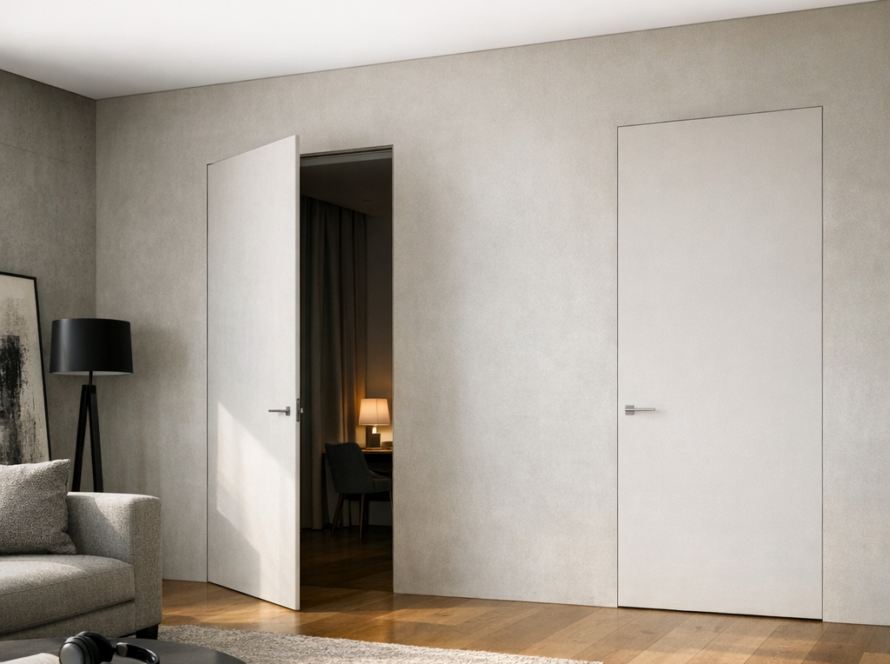
Pivoting frameless doors stand out for their kinetic elegance and sculptural quality. The absence of a visible frame emphasizes clean lines and uninterrupted surfaces, while the unique pivot system allows the door to swing both inward and outward, defining the spatial boundary without imposing typical door leaf restrictions.
- Fluid Spatial Transitions: Because they open by rotating around a pivot, these doors create a dramatic effect that blurs the threshold between rooms and invites movement as a visual feature.
- Minimalist Aesthetics: The frameless design intensely focuses on materiality and finish, integrating perfectly with modern trends that prize simplicity and subtlety.
- Versatile Configurations: Pivot doors can be oversized, used as statement entrances within homes or commercial interiors, providing a grand yet refined portal experience.
Engineering and Hardware Innovations
The pivot mechanism for these doors is typically concealed within the floor and ceiling, requiring precise engineering to accommodate the weight and dynamic forces. This system offers several technical benefits and challenges:
- Load Distribution: Pivot hinges manage door weight more effectively compared to side hinges, allowing for larger glass or wood panels without compromise.
- Concealed Mechanics: High-quality hardware such as stainless steel pivots ensures longevity and smooth operation, aligning with the frameless aesthetic by eliminating visible hinge hardware.
- Adjustability: Many modern pivot systems allow fine-tuning after installation to guarantee perfect alignment and flush closure with surrounding walls.
Designers and contractors must collaborate closely to ensure structure compatibility, especially with heavy glass panels or thick wood slabs demanding reinforcement at pivot points.
Materiality and Finish Choices
Material plays a pivotal role in defining the character of a pivoting frameless door. Popular selections include:
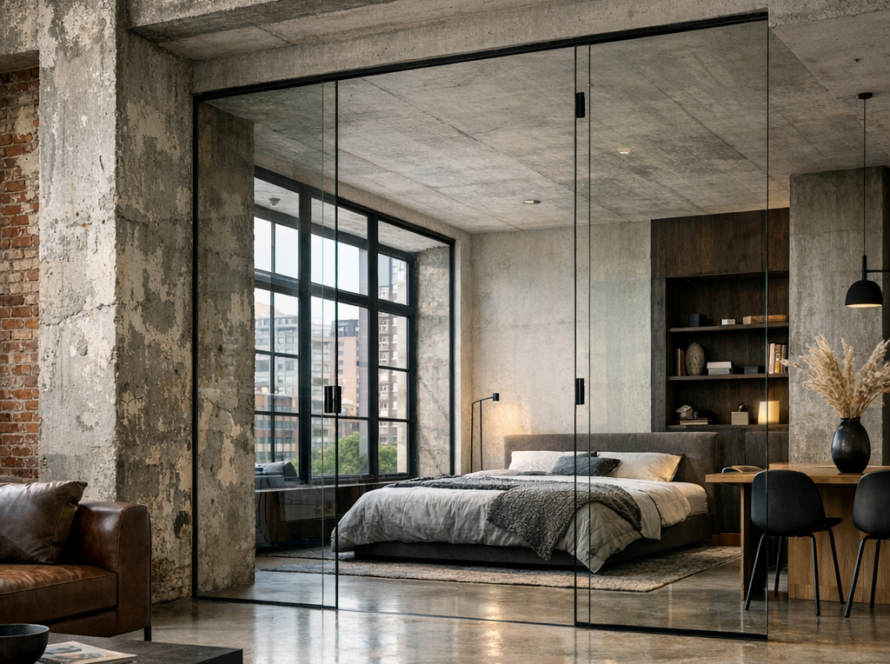
- Clear or Frosted Glass: Often chosen to maintain visual openness and enhance natural light diffusion within interiors, glass doors add transparency without sacrificing spatial definition.
- Exquisite Wood Veneers: Thin, high-grade wood sheets can be laminated onto solid cores for a seamless, warm texture that contrasts against harder architectural elements.
- Metal Accents: In some designs, subtle metallic strips or edge profiles are embedded to reinforce edges or introduce a delicate contrast.
The finishing touches on door edges and pivot points demand architectural accuracy to maintain the seamless effect and longevity under daily use.
Integrating Pivoting Frameless Doors with Interior Architecture
These doors become integral to spatial narratives and architectural harmony. Their presence influences light flow, room perception, and circulation paths:
- Visual Continuity: Frameless pivot doors can be flush with adjacent wall panels, creating uninterrupted planes that expand perceived space.
- Dynamic Focal Points: When open, the door’s rotation animates the interior environment, introducing movement as a permanent design consideration.
- Acoustic and Environmental Control: Although often associated with openness, proper sealing and hardware can provide acceptable privacy and environmental separation.
For further inspiration on integrating such architectural elements, exploring exclusive designs from DAYORIS offers insights into premium frameless door solutions that combine artistry and engineering excellence.
Conclusion: Beyond Functionality to Architectural Expression
Pivoting frameless doors transcend traditional interior openings by becoming both functional thresholds and refined sculptural features. Their kinetic movement, combined with minimalist design and cutting-edge hardware, positions them as key components in the vocabulary of modern interior architecture.
By carefully selecting materials, coordinating engineering requirements, and embracing their dynamic qualities, architects and designers can create interiors that celebrate openness, fluidity, and elegant transitions—hallmarks of sophisticated spatial storytelling.
Learn more about frameless interior door innovations through our catalog and explore how these advanced elements elevate contemporary residential environments.