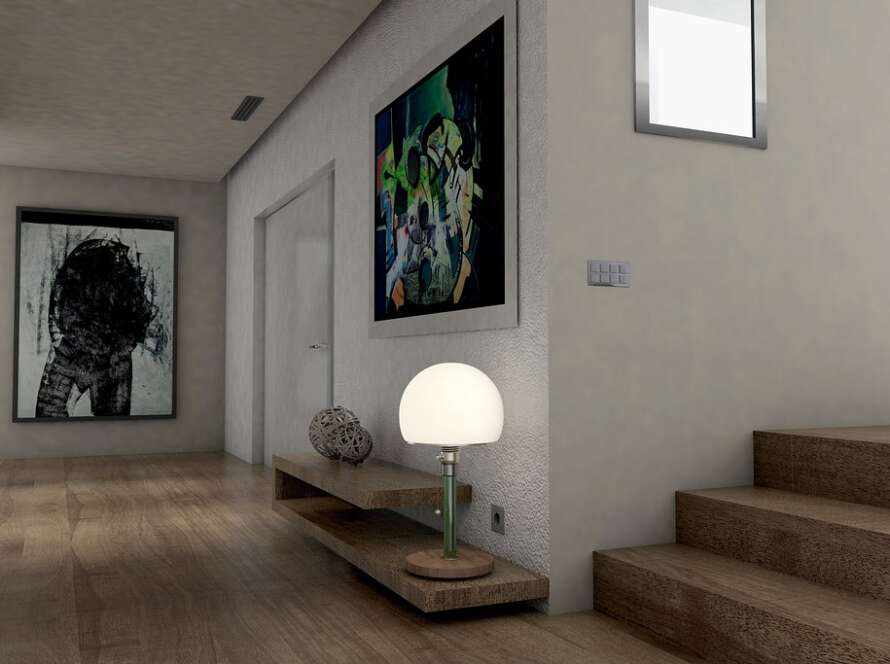
The Unseen Architecture Behind Frameless Interior Door Jambs
In modern interior architecture, the phrase “frameless interior doors” often evokes images of clean lines, unbroken surfaces, and minimalist elegance. Yet, beyond the flat planes of the door leaf lies a nuanced architectural element that profoundly affects the visual and structural integrity of a space—the door jamb. Typically overlooked because of its concealment, the frameless interior door jamb is a technical and aesthetic achievement that deserves closer examination.
The Role of Door Jambs in Door Assemblies
Traditionally, door jambs are the visible vertical and horizontal components framing the door opening. They serve as the structural interface securing the door leaf and hardware, providing stability and durability over time. In the context of frameless doors, by contrast, the door jamb is intentionally engineered to be hidden or flush, contributing to the seamless appearance that characterizes this architectural style.
This invisibility transforms the door jamb from a purely functional element into an architectural feature of subtle sophistication. Its design reflects a balance between concealment and structural necessity, reinforcing the wall and door while dissolving into the background.
Concealed Frames: Engineering Minimalism
Concealed door frames used in frameless installations are a marvel of engineering. They typically involve recessed or flush mounts integrated into the wall structure, crafted to accept the door leaf without overlapping trim or visible moldings. This requires precision in wall construction, accurate drywall finishing, and meticulous door leaf fabrication.
- Material selection plays a crucial role; jambs often employ robust metals or durable engineered wood, finished to match or blend with adjacent wall surfaces.
- Tolerances must be tight to avoid gaps or misalignments that would betray the door’s frameless intent.
- Hardware integration—concealed hinges and flush locks—works in concert with jamb design to support silent, smooth functionality.
Such refinement is more than aesthetic. The concealed jamb enhances the perception of uninterrupted surfaces, a driving principle in contemporary architecture that emphasizes flow and spatial continuity.
Aesthetic Impact on Interior Spaces
The invisibility of the door jamb allows the door to appear as a natural division of space rather than an object affixed to it. This subtlety changes how occupants perceive boundaries, creating a spatial fluidity that can define the atmosphere of an entire room or residence.
In luxury residential interiors or sophisticated commercial environments, the frameless door jamb supports designs where light, texture, and finishes interact uninterrupted by traditional door frames. For example, a door leaf perfectly aligned with wall paneling can create an “invisible portal,” while a contrasting jamb finish, when used thoughtfully, can add a discreet accent without overwhelming the overall scheme.
Technical Challenges and Solutions
Concealing door jambs raises unique challenges in construction and design coordination:
- Wall thickness and composition: Jamb profile must account for wall assemblies, insulation, and finish layers without compromising structural strength.
- Hardware compatibility: The selection of pivot or concealed hinges must align with jamb depth and mounting strategy.
- Fire and sound codes: These regulatory demands impact jamb design choices, requiring careful specification especially in multi-unit residential or commercial projects.
Specialized manufacturers and door system integrators collaborate closely with architects to tailor jamb systems that satisfy both design ambitions and technical requirements.
Innovative Applications and Future Trends
The evolution of frameless interior door jambs continues alongside advancements in materials science and digital fabrication. Emerging possibilities include:
- Use of lightweight composite materials that reduce installation complexity without sacrificing durability.
- Integration of smart locking and sensor technology directly into jamb profiles.
- Customization through CNC milling and parametric design, allowing jambs to adapt to non-standard wall geometries or to incorporate subtle artistic detailing.
Architectural thought leaders further explore the concept of doors disappearing entirely, with jambs designed to support pivoting or sliding mechanisms that shift the boundary between rooms into a dynamic, fluid element.
Conclusion: Appreciating the Invisible Frame
Frameless interior door jambs, while often unnoticed, are foundational to the seamless aesthetic and functional success of contemporary architectural interiors. Their hidden presence sustains the clean geometries and subtle spatial transitions prized in modern design.
This balance between invisibility and impact exemplifies a broader architectural pursuit: crafting spaces that feel effortless and pure, even as they rely on complex, carefully considered details. For more inspiration on the refined execution of frameless doors and architectural interiors, explore the frameless interior door catalog or visit Dayoris to see premium door applications in contemporary projects.