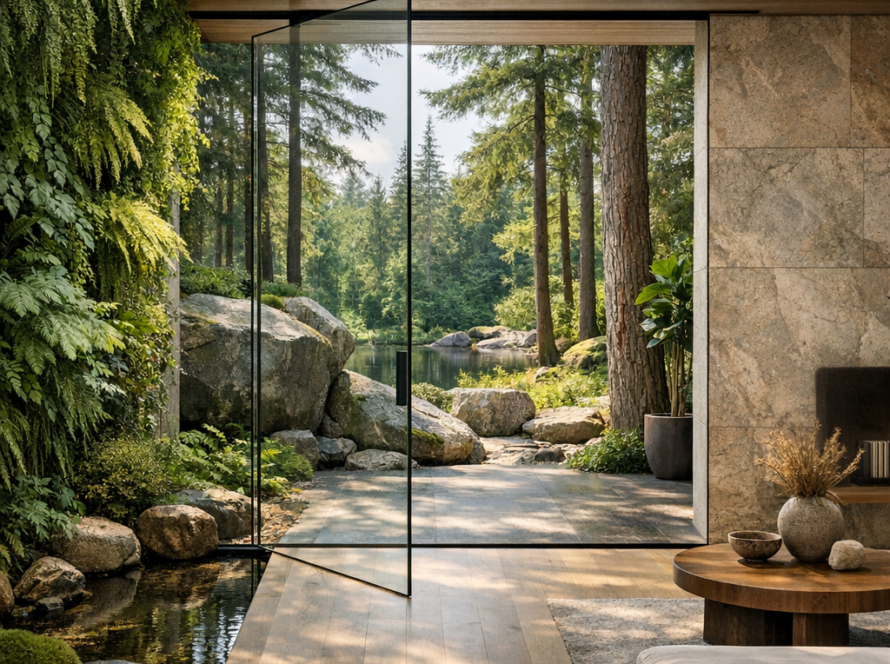
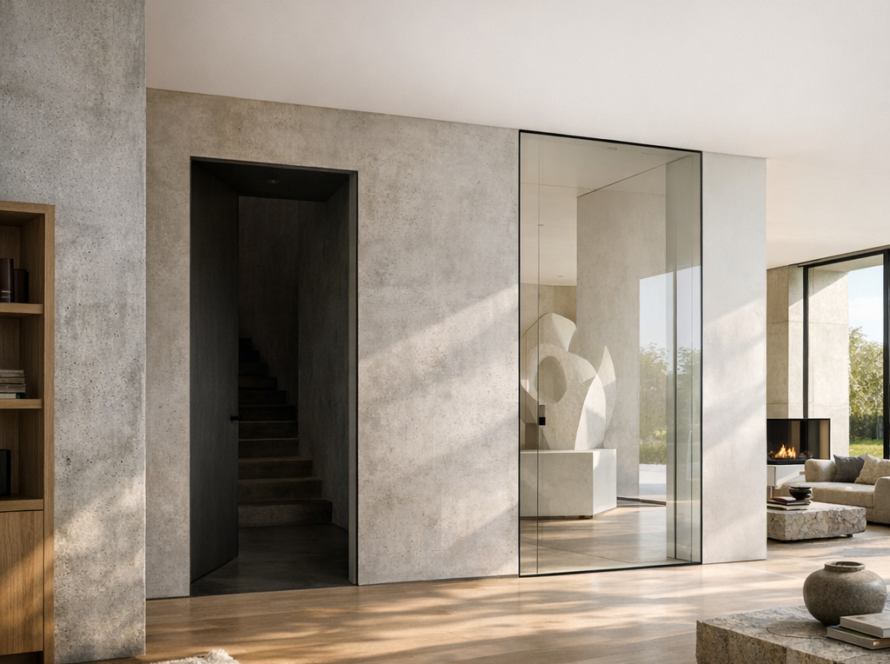
Introduction: Exploring Tactile Dimensions in Frameless Interior Doors
Frameless interior doors are celebrated for their sleek minimalism and seamless integration into modern architecture. However, beyond their visual simplicity lies a rich, sensory field seldom discussed: texture. Material tactility — how a surface feels to the touch and interacts with light — plays a crucial role in elevating frameless doors from purely functional elements to engaging architectural features.
This article delves into the subtle power of texture in frameless interior door design and examines how tactility can redefine the user experience and spatial atmosphere.
The Architectural Language of Texture
While frameless doors often evoke smooth, invisible panels blending into walls, the choice of materials and finishes introduces layers of tactile narrative. Texture can invite touch, modulate light reflection, and add depth without disturbing minimalist principles.
Material Selection and Surface Treatments:
- Woodgrain Variations: Natural or engineered woods with varying grain patterns and finishes—matte, satin, or semi-gloss—offer warmth and human connection. The subtle ridges and pores in wood engage tactile memory and visual interest.
- Matte Lacquers and Paints: A matte finish provides soft diffusion of light and a smooth, velvety feel that contrasts with typical gloss surfaces, contributing to a quiet sophistication.
- Brushed and Textured Metals: Incorporating finely brushed or patterned metals into cladding or inlays creates a cool, industrial tactility that contrasts with organic materials.
- Glass with Texture: Frameless doors utilizing translucent or textured glass—such as frosted or ribbed surfaces—merge visual privacy with a tactile dimension visible through layered light and shadow.
Impact on Spatial and Sensory Experience
Introducing texture to frameless interior doors affects not only aesthetics but also how occupants perceive and navigate space. Touch can anchor spatial recognition in otherwise visually understated environments.
- Recognition Through Touch: In contemporary homes with minimalist design, tactile cues become vital. Textured surfaces help inhabitants and guests subconsciously identify door positions and boundaries even in low lighting.
- Accentuation of Light and Shadow: Textured surfaces interact dynamically with natural and artificial light, casting subtle shadows that animate the door’s presence without interrupting overall spatial harmony.
- Psychological Warmth: Materials like woodgrain or soft matte finishes evoke warmth and comfort, counterbalancing the sometimes sterile feel of fully smooth, gloss surfaces.
Material Innovation: Beyond Conventional Surfaces
Modern manufacturers and designers are experimenting with composite and innovative finishes that enhance tactility without compromising seamless aesthetics. These include:
- 3D-Embossed Surfaces: Ultra-thin, embossed textures can be integrated beneath clear lacquers, creating subtle raised patterns that invite gentle touch.
- Biomimetic Textures: Inspired by nature, textures mimicking bark, stone, or organic fibers add a sensory richness while respecting contemporary minimalism.
- Smart Materials: Emerging surface materials respond to environmental stimuli—changing texture or temperature subtly to deepen the interactive experience with the door.
Design Considerations for Architects and Homeowners
Incorporating textured frameless doors requires balancing tactile qualities with architectural intent:
- Surface Durability and Maintenance: Textured surfaces may demand different cleaning routines or resilient coatings, particularly in high-traffic areas.
- Integration with Surrounding Finishes: Coordinating door material tactility with adjacent walls, flooring, and hardware is essential to maintain design coherence.
- Hardware Selection: Minimalist hardware with complementary finishes enhances tactility, especially with lever handles or flush pulls that invite touch.
Bringing Tactility into the Frameless Interior Door Catalog
The diversity of tactile finishes available today transforms the role of frameless interior doors in architecture. It becomes possible to craft doors that are not only visually imperceptible but also sensorial anchors within sophisticated residential interiors.
For inspiration on premium architectural door designs embracing tactile innovation, visit the Frameless Interior Doors Catalog and explore curated selections that make material tactility a pivotal design element.
Conclusion
Texture infuses frameless interior doors with an understated depth that transcends their minimalist visual appeal. By thoughtfully incorporating material tactility, architects, designers, and homeowners enrich the physical and emotional interaction with their interiors. In this way, frameless doors cease to be invisible barriers and instead become refined, sensorial thresholds that enhance spatial narratives and elevate residential environments.
For broader architectural inspiration that harmonizes with textured frameless door concepts, consider exploring premium door collections at DAYORIS, a leading destination for innovative interior door design.
With material tactility guiding the evolution of frameless door design, the future of seamless, sensory architecture looks both refined and richly expressive.