Blurring Boundaries: The Rise of Biophilic Design in Contemporary Interiors
Biophilic design has emerged as a defining principle in architecture and interiors, encouraging connections between people and nature to enhance well-being, reduce stress, and improve productivity. This design approach emphasizes natural light, organic materials, vegetation integration, and visual continuity between indoor and outdoor environments.
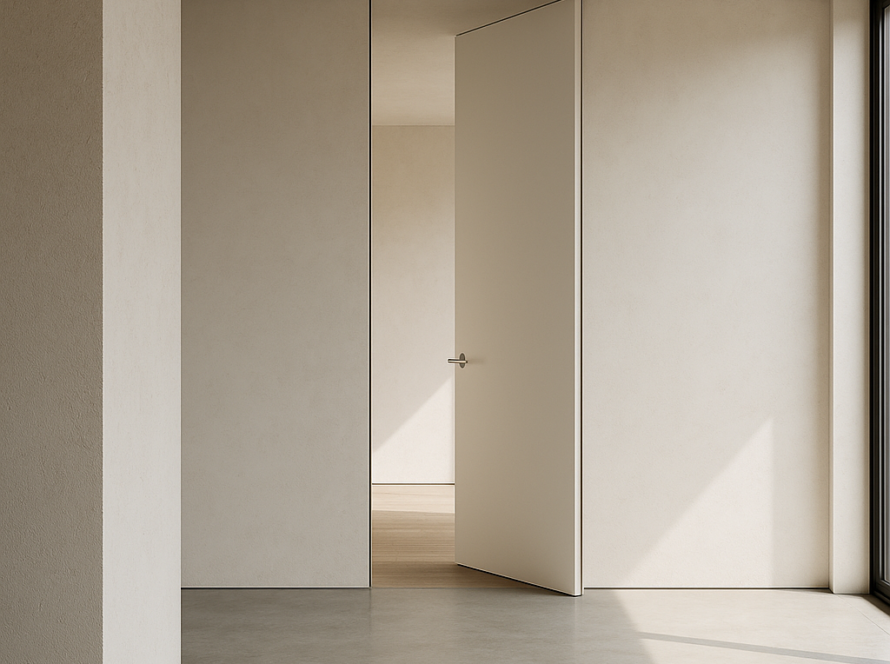
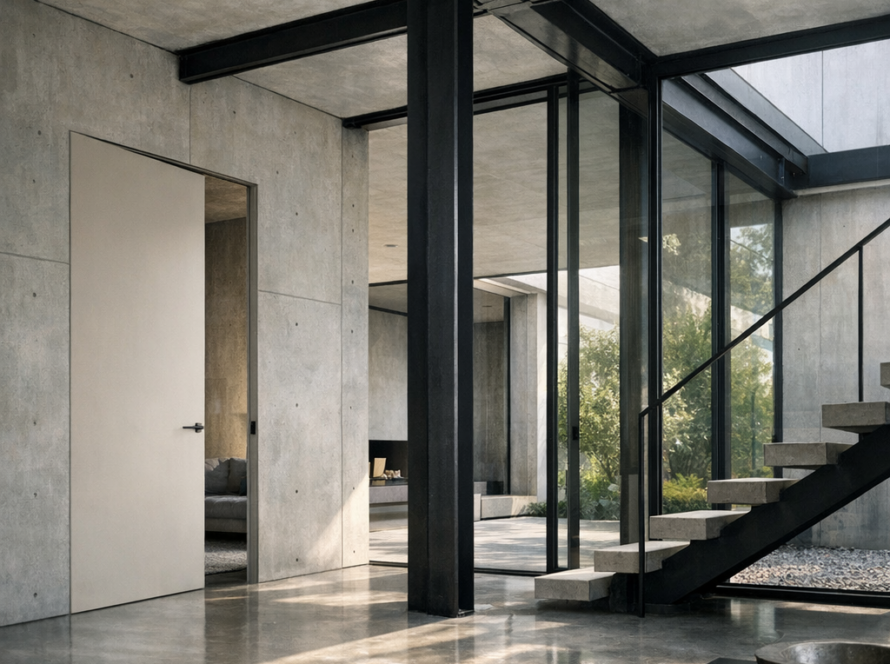
Frameless interior doors perfectly complement biophilic architecture, serving not only as functional openings but as subtle design elements that dissolve rigid spatial boundaries. By eliminating heavy frames and embracing transparency or natural materials, these doors support a seamless dialogue between the built environment and the natural world.
The Role of Frameless Interior Doors in Amplifying Natural Light
Natural daylight is a cornerstone of biophilic design, proven to promote mood uplift and circadian rhythm balance. Frameless doors—particularly those constructed from clear or lightly tinted glass—maximize light penetration between connected spaces. Unlike traditional doors with bulky frames that interrupt the visual flow, frameless systems encourage unimpeded daylight diffusion throughout interiors.
For American homeowners aiming to harness natural light, selecting frameless glass doors can redefine room atmospheres by brightening hallways, fostering visual openness, and visually expanding compact spaces. The minimalist hardware and concealed hinges typical of frameless doors further avoid visual clutter, sustaining a pure light-filled aesthetic.
Material Synergy: Natural and Sustainable Choices for Frameless Doors
Materiality sits at the intersection of sustainability and biophilic design. Frameless doors offer versatile opportunities to integrate materials that resonate with nature—such as sustainably sourced hardwoods, bamboo veneers, or textured glass that mimic organic surfaces.
By choosing door finishes with natural grain patterns or tactile warmth, designers can deepen sensory engagement within interiors. These textural cues evoke nature’s complexity, complementing other biophilic elements like exposed wood beams, stone accents, or living plant walls.
Moreover, selecting eco-conscious materials aligns with growing American homeowner preferences for responsible living. Manufacturers often provide certifications indicating sustainable sourcing or low-VOC finishes, essential for indoor environmental quality.
Creating Fluid Indoor-Outdoor Connections: Doors as Transition Spaces
Biophilic design thrives on seamless transitions between interior and exterior spaces. Frameless interior doors encourage this fluidity by removing visual and physical barriers. For instance, a frameless pivot door installed between an open-plan living room and an exterior terrace creates a dramatic yet gentle threshold that invites nature inside.
These transitions enhance spatial perception—interior volumes visually extend beyond walls, while occupants experience a profound sense of openness and freedom. In climates where outdoor living is an architectural priority, frameless doors underpin indoor-outdoor harmony without compromising privacy or insulation.
Integrating a visually consistent door system throughout the home, such as fully frameless glass or elegant wood finishes, ensures continuity that ties interior and exterior design narratives together. Frameless door hardware can also be specified in corrosion-resistant finishes to function reliably in high-humidity zones adjacent to outdoor areas.
Innovations in Frameless Door Hardware Supporting Biophilic Aesthetics
Beyond aesthetics, frameless interior doors rely on advanced, often concealed hardware solutions that maintain clean lines and operational fluidity. Innovations include minimalist pivot hinges, floor-mounted pivots, and invisible locking systems, which refrain from disturbing the door’s sleek profile.
For biophilic environments, hardware choices influence the tactile experience and the subtle visual cues that impact a user’s connection with space. Sleek matte finishes in muted natural tones such as brushed bronze or oxidized steel harmonize with organic interiors better than flashy chrome or glossy metals.
Such choices reinforce the door’s role within an integrated natural ambiance rather than standing out as a mechanical object.
Case Study Inspiration: Dayoris and Frameless Door Elegance
Leading companies like Dayoris offer refined frameless interior door collections that suit biophilic design aspirations. Their emphasis on minimalist configurations, high-quality natural material finishes, and custom configurations elevate interiors into harmonious, nature-embracing habitats.
For architects and interior designers, referencing Dayoris’ portfolio can provide inspiration for balancing transparency, texture, and technological sophistication in frameless door projects.
Conclusion: Harmonizing Architecture and Nature Through Frameless Doors
Integrating frameless interior doors into biophilic design enriches American modern homes by enhancing light, material authenticity, and spatial continuity. These doors transcend their conventional function to become key architectural elements that foster emotional and sensory connections with nature.
As the demand for healthier, sustainable living environments grows, the alliance of frameless doors and biophilic principles demonstrates how subtle design choices contribute to holistic dwellings where architecture and nature coexist fluidly.
Explore additional inspirational ideas and refined frameless door options on Frameless Interior Doors’ catalog to begin your journey toward natural elegance in interior design.