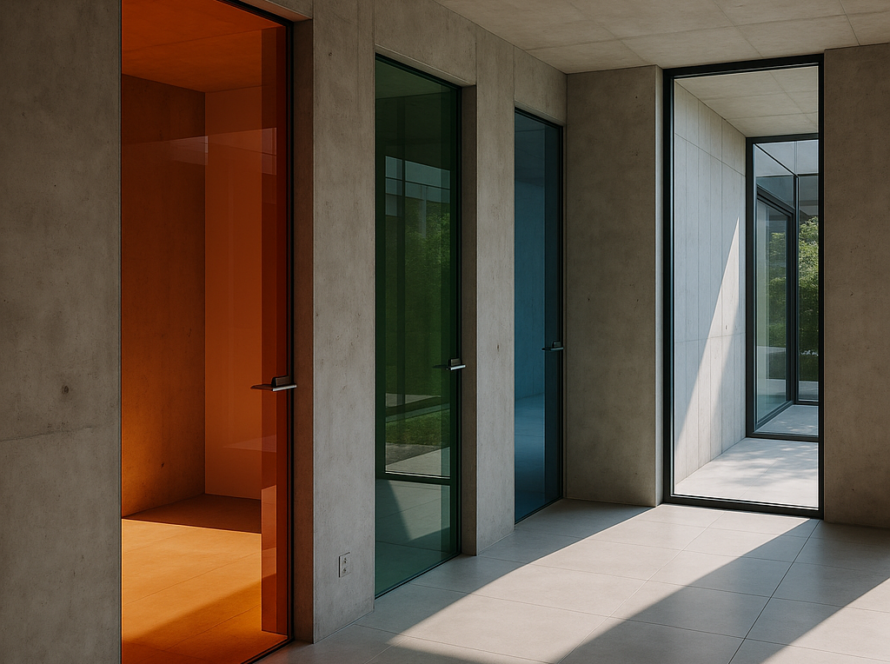
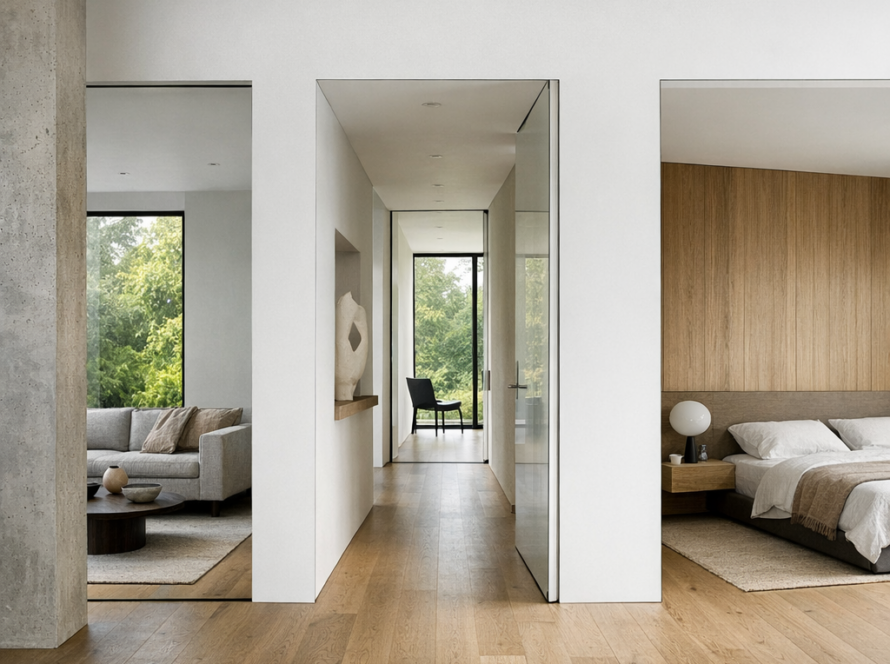
The Shift Toward Sustainable Frameless Interior Doors
In recent years, sustainability has become a central theme in architectural design, influencing choices beyond structural elements to include interior features such as doors. Frameless interior doors, known for their seamless integration and minimalist appeal, are increasingly crafted with environmental considerations in mind. This shift toward sustainable frameless doors reflects a broader architectural move to embrace eco-friendly materials without compromising style or performance.
Innovative Materials Transforming Frameless Door Aesthetics
Traditional door materials like solid wood or standard laminates are steadily being complemented or replaced by cutting-edge alternatives that offer ecological benefits and unique aesthetic qualities. Several materials are at the forefront of this innovation:
- Bamboo Composite Panels: Bamboo’s rapid renewability and strength make it an excellent material for frameless doors. When engineered into composite panels, bamboo provides durability and distinctive texture, contributing to natural warmth in interiors.
- Recycled Metal Accents: Incorporating recycled aluminum or steel hardware into frameless door designs enhances structural integrity while promoting material reuse. These metals also lend a contemporary industrial edge without excessive environmental costs.
- Bio-Based Resins and Finishes: Emerging finishes derived from bio-based compounds replace traditional synthetic coatings. These offer low VOC emissions, improving indoor air quality and aligning with green building standards.
- Glass Alternatives: Low-emissivity, recycled glass, or bioplastic-based transparent panels are increasingly integrated into frameless doors, allowing for light transmission and visual connectivity while addressing sustainability concerns.
Technical Challenges and Architectural Opportunities
Adopting sustainable materials in frameless interior doors introduces specific technical considerations. For instance, ensuring dimensional stability in bamboo composites requires precise manufacturing controls, while bio-based resins must achieve comparable durability to conventional finishes. Architects and designers often collaborate closely with manufacturers to balance these factors, fostering innovation that aligns with strict aesthetic and performance criteria.
These challenges create opportunities for architectural experimentation. Frameless doors constructed from novel materials can act as focal points in a refined interior scheme, highlighting material honesty and craftsmanship. By carefully selecting and detailing sustainable elements, these doors transcend their functional role, becoming symbols of ecological mindfulness embedded within the home’s narrative.
Sustainability Beyond Materials
Material choice is only one component of sustainability in frameless interior doors. The manufacturing lifecycle, including energy consumption and waste reduction, also plays a significant role. Many producers now emphasize lean fabrication processes and local sourcing to minimize transportation impacts. Additionally, modular and repairable designs extend a door’s lifespan, reducing the need for premature replacement.
Within this context, specifying frameless doors with recyclable or biodegradable end-of-life options becomes part of an integrated architectural strategy. Such doors not only meet immediate design goals but also adhere to principles of circular economy, closing loops in resource management.
The Role of Frameless Doors in Sustainable Interior Architecture
Beyond environmental advantages, sustainable frameless interior doors contribute to holistic well-being and spatial experience. Their visual lightness and smooth surfaces enhance natural light diffusion, while eco-conscious materials often feature tactile richness that elevates sensory engagement.
Integration with other sustainable design elements—such as low-emission paints, energy-efficient lighting, and biophilic landscaping—creates a harmonious interior environment. Frameless doors thus participate in architectural ecosystems that prioritize health, comfort, and environmental responsibility.
Inspiration and Resources for Architects and Homeowners
For those seeking inspiration or solutions in this domain, platforms like DAYORIS offer extensive examples of premium architectural solutions incorporating innovative materials and sustainable principles. Exploring such resources helps architects and homeowners appreciate the possibilities that sustainable frameless doors offer.
Moreover, Frameless Interior Doors’ catalog showcases select products that marry cutting-edge design with responsible material choices, serving as a reference point for integrating sustainability into modern interior architecture.
Conclusion
The convergence of material innovation and sustainability is redefining the frameless interior door as more than a mere threshold element. It becomes a deliberate architectural expression that respects environmental values while advancing design sophistication. As American homeowners, designers, and architects embrace these developments, the frameless door stands out as a remarkable example of how timeless aesthetics and forward-thinking ethics can beautifully coexist.