Introducing Chromatic Transparency in Interior Architecture
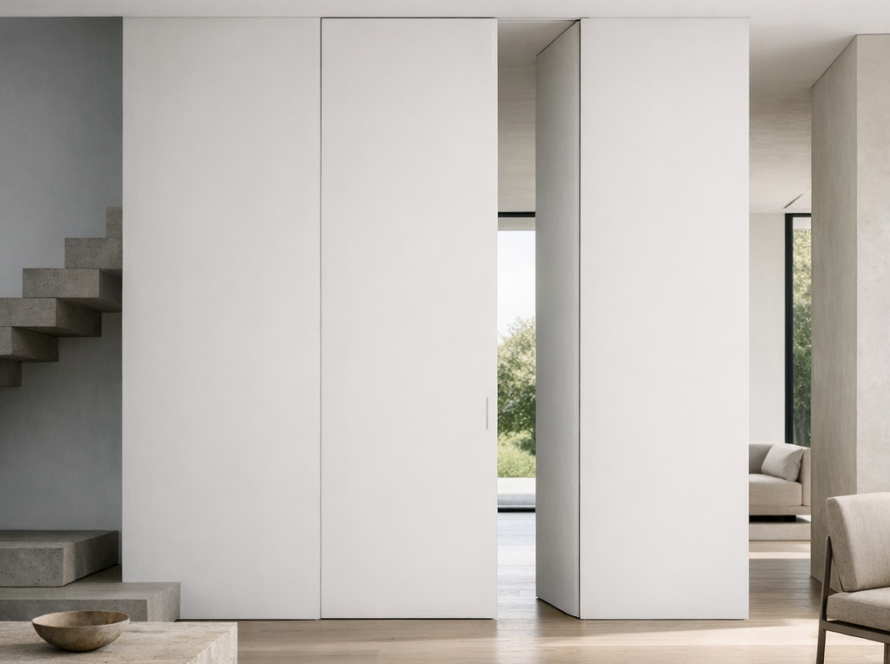
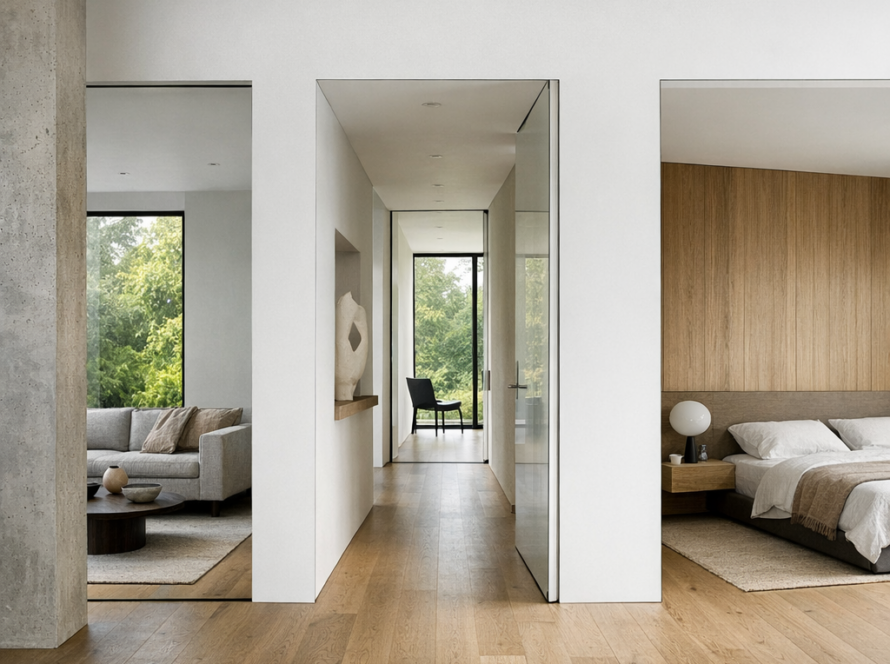
In the evolving landscape of modern interior architecture, the use of colored glass frameless doors marks a compelling departure from the conventional. These doors marry transparency, hue, and structural minimalism to create dynamic spatial experiences. Beyond mere partitioning, they function as architectural elements that filter light, define zones subtly, and introduce sculptural color effects into residential and commercial environments.
The Role of Colored Glass in Frameless Door Design
Colored glass has long fascinated architects for its ability to manipulate light and space simultaneously. When applied in frameless door systems, it offers unique opportunities:
- Light Transmission and Ambiance: Unlike opaque materials, colored glass allows natural or artificial light to permeate, creating a luminous ambiance while softly tinting the space.
- Spatial Definition Without Mass: Frameless doors avoid bulky frames, preserving uninterrupted visual flow. Adding color heightens this effect, crafting subtle yet assertive boundaries.
- Material Interaction: Through layered hues and varying translucency, colored glass responds dynamically to lighting changes throughout the day, infusing interiors with kinetic visual interest.
Material and Technical Considerations
Specifying colored glass for frameless doors requires balancing aesthetic ambitions with technical precision. Key points include:
- Glass Type and Treatment: Options range from pigmented laminated glass to chemically tinted and coated variants. The chosen treatment impacts durability, color fidelity, and safety.
- Thickness and Structural Integrity: Frameless systems depend on exact tolerances. Colored glass generally matches thicknesses similar to standard architectural glazing (typically 3/8″ to 1/2″), but weights and edge finishing require careful coordination.
- Hardware Compatibility: Concealed hinges and pivot systems must accommodate the glass’s specific thickness and weight, ensuring smooth operation and structural safety.
- Maintenance: Colored glass maintains a surface sheen but may show fingerprints or smudges more readily. Protective coatings can alleviate cleaning burdens.
Architectural Applications and Aesthetic Impact
Colored glass frameless interior doors thrive in various settings:
- Residential Interiors: From dining rooms subtly distinguished by amber glazing to bathrooms given privacy through frosted colored panels, these doors customize light quality and spatial intimacy.
- Commercial and Retail Spaces: Vibrant office partitions or boutique fitting rooms leverage chromatic doors to generate memorable ambiance and brand identity.
- Cultural and Gallery Spaces: Colored glass doors help modulate exhibition lighting, enhancing the perception of artworks while guiding visitor flow unobtrusively.
The absence of visible frames amplifies their presence, allowing color and light interactions to reign as primary design features.
Complementary Design Strategies
Integrating colored glass frameless doors successfully often involves:
- Material Palette Coordination: Pairing with matte or polished stone, warm wood tones, or metallic accents to accentuate or contrast the glass’s chromatic qualities.
- Lighting Design: Employing directional or diffused fixtures to harness and enhance the door’s tint effect, shifting the atmosphere from vibrant to serene as needed.
- Spatial Flow Considerations: Using the doors to delineate zones while preserving openness, ideal in lofts, open-plan homes, or commercial interiors aiming for flexible layouts.
Exploring Architectural Inspirations and Resources
Inspiration for colored glass frameless door designs is increasingly prominent among high-end architectural projects. Resources such as the elegant selections at DAYORIS showcase refined implementations of glass doors that push aesthetic boundaries. Similarly, Frameless Interior Doors’ catalog offers ranges that can be adapted to incorporate colored glazing within sophisticated frameless systems.
Conclusion: A New Layer of Expression
Colored glass frameless interior doors enrich modern interior architecture by adding chromatic depth and spatial fluidity without compromising minimalism. They challenge traditional door typologies, transforming functional elements into instruments of artistic and atmospheric expression. When thoughtfully specified and integrated, these doors blend innovation with elegance, inviting inhabitants and visitors alike to experience interiors through the ever-changing prism of light and color.