The Intersection of Light and Frameless Interior Doors
Frameless interior doors are often celebrated for their seamless aesthetic and ability to blend with contemporary architecture. Beyond their visual minimalism, these doors play a crucial role in modulating light within residential and professional spaces. This article investigates how the materiality and design of frameless interior doors influence the behavior of both natural and artificial light, shaping the spatial atmosphere and functional dynamics of modern interiors.
The Architectural Impact of Light Modulation
Architectural lighting extends beyond installation of luminaires; it involves the orchestration of surfaces to guide, soften, or intensify light. Frameless interior doors, devoid of bulky frames or visible hardware, act as subtle intermediaries through which light passes, reflects, or filters. The degree of translucency or opacity fundamentally alters how light behaves, affecting spatial perception and emotional response.
Material Choices and Light Behavior
The selection of door materials contributes to distinctive lighting effects:
- Glass Panels: Clear, frosted, or textured glass variants enable controlled light transmission. Frosted glass can diffuse harsh daylight, creating a soft glow that enhances privacy without sacrificing illumination.
- Acrylic and Resin Surfaces: Offering diverse translucency levels, these materials allow architects to tailor the light quality, whether to amplify ambient light or mute it for intimate areas.
- Wood Veneers and Lacquers: While typically opaque, certain thin veneers or lacquer finishes with subtle gloss can reflect ambient lighting, contributing to a warmer and more dynamic interior environment.
Lighting Dynamics in Different Spatial Contexts
Frameless interior doors modulate light uniquely depending on room function and orientation:
- Transition Spaces: In hallways or corridors, transparent or semi-translucent doors invite daylight deeper into interior zones, reducing reliance on artificial lighting.
- Private Rooms: Using doors with controlled translucency ensures privacy while allowing diffused light transfer, which can enhance wellbeing through gentle illumination.
- Multipurpose Areas: Sliding or pivot frameless doors can adapt spatial divisions dynamically, modifying how light is shared or segmented based on usage needs.
Innovative Opening Systems Enhancing Light Interaction
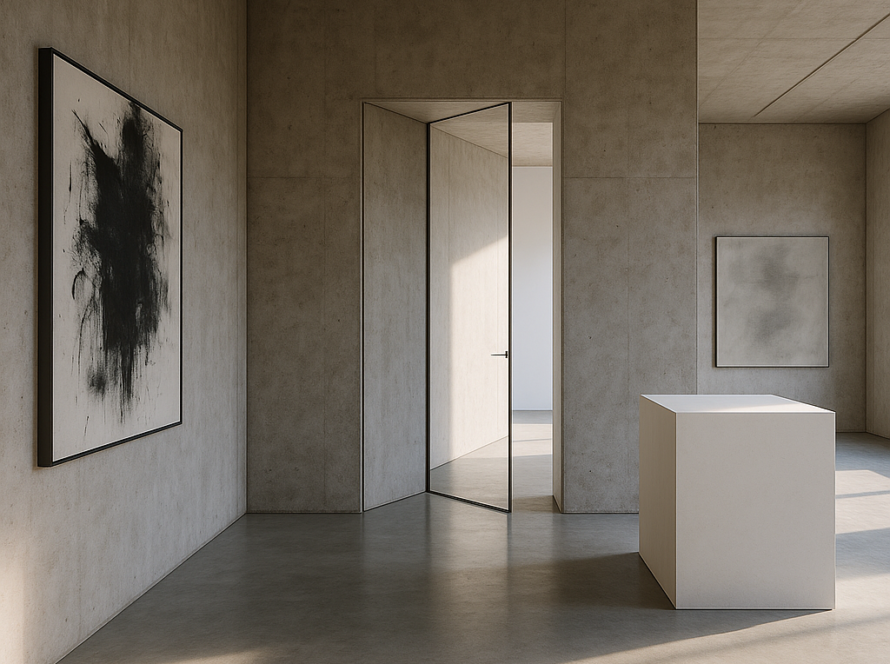
The functional mechanisms of frameless doors — such as pivot hinges or hidden sliding tracks — eliminate bulky frames and visible seams. This uninterrupted surface enables a more uniform light passage and reflection. Additionally, concealed frames embedded within walls maintain continuous sightlines, reinforcing the flow of light and creating spatial continuity.
Concealed Frames and Reflective Surfaces
Integration of concealed frames allows doors to virtually disappear when closed, a concept closely related to light manipulation:
- Hidden frames ensure that light isn’t obstructed by structural interruptions, optimizing the diffusion of daylight.
- Reflective finishes on adjoining walls or flooring interact with door surfaces, amplifying light effects and enhancing room brightness.
The Role of Frameless Doors in Sustainable Lighting Strategies
Optimizing natural light can reduce energy consumption for artificial lighting. Frameless interior doors facilitate this by allowing sunlight to permeate from larger glazed areas or courtyards into interior rooms. Thoughtful placement and material specification can uphold energy efficiency goals while elevating architectural quality.
Design Considerations for Daylight Optimization
- Strategically position frameless doors to align with prevailing daylight angles to maximize illumination during peak usage times.
- Employ diffusive materials to balance glare reduction with light capture, enhancing visual comfort.
- Combine door translucency with intelligent lighting controls to adjust artificial illumination responsively.
Complementing Contemporary Interiors with Frameless Door Light Effects
Beyond utility, the nuanced light modulation provided by frameless interior doors contributes an aesthetic layer to modern interiors. Architects and designers harness these subtle effects to emphasize textures, create spatial hierarchies, and foster moods ranging from vibrant daylight energy to serene twilight ambiance.
For inspiration on premium frameless door designs that accentuate light modulation, explore the curated architectural collections available at DAYORIS.
Conclusion
Frameless interior doors transcend their functional role as mere barriers; they become active agents in architectural lighting design. Through material innovation, concealed structural elements, and thoughtful spatial integration, these doors modulate light to shape human experience and spatial quality in contemporary living. Understanding and leveraging these possibilities enriches interior architectural practice and offers homeowners sophisticated environments that celebrate light as a fundamental design element.
To discover more about the fusion of architectural design and framed simplicity, visit our About Us page or browse our catalog for additional insights on modern frameless door options.