The Convergence of Light, Privacy, and Design
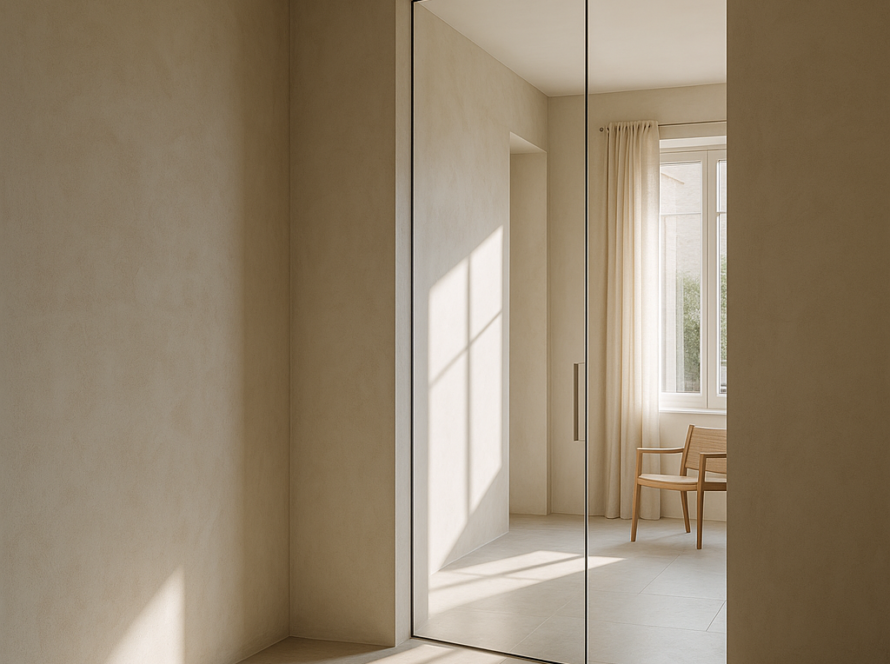
In contemporary interior architecture, the quest to harmonize light distribution and privacy often leads designers toward innovative material choices and construction techniques. Among these, frosted glass frameless interior doors stand out for their ability to merge translucency with sophisticated minimalism. Unlike opaque doors that block all light or clear glass doors that offer minimal privacy, frosted glass provides a nuanced middle ground, inviting soft, diffused light while screening direct views between rooms.
Material Qualities Defining Frosted Glass Frameless Doors
Frosted glass typically results from sandblasting, acid etching, or applying a frosted film to the glass surface. This process disrupts light transmission to create a milky or satin finish that blurs shapes and colors beyond the door, generating an aura of calm and subtle separation.
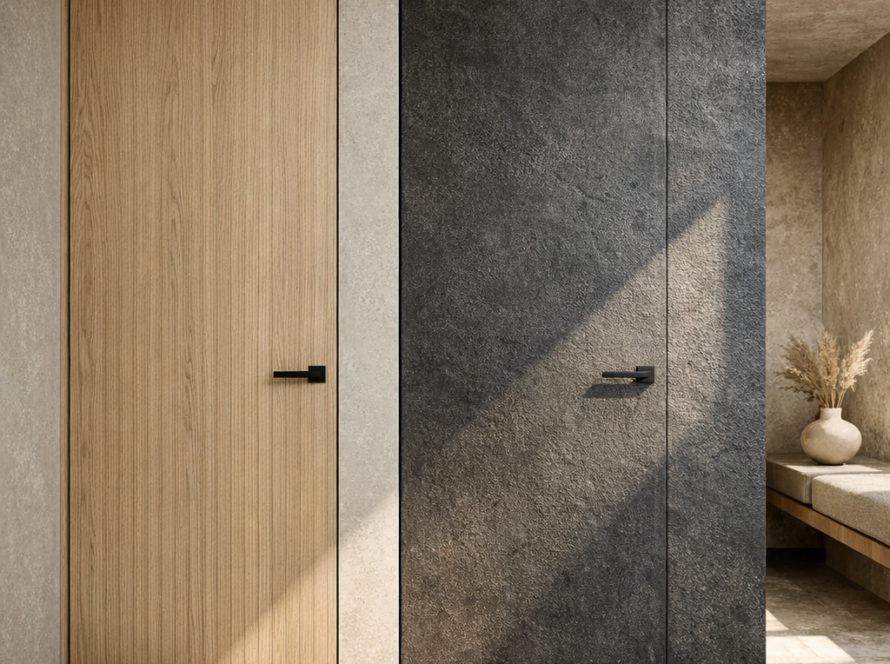
Pairing this translucent glass with frameless construction emphasizes clean lines and uninterrupted surfaces, which align perfectly with the principles of modern and minimalist architecture. Without visible door frames, hinges, or protrusions, the door becomes an integrated element of the wall system, emphasizing spatial continuity and architectural purity.
Architectural Impact and Spatial Perception
- Light Diffusion: Frosted glass softens natural or artificial light, reducing harsh shadows and glare, enhancing interior ambiance.
- Visual Privacy: It obscures detailed views, supporting privacy needs in residential bathrooms, home offices, or bedrooms.
- Spatial Fluidity: Frameless mounting eliminates visual interruptions, enabling the door to act as a translucent threshold that reinforces rather than partitions interior spaces.
Applications Aligned with Contemporary Residential Design
American homeowners and interior designers increasingly incorporate frosted glass frameless doors into:
- Bathrooms and Powder Rooms: Offering essential privacy while maintaining daylight penetration.
- Home Office Partitions: Creating semi-private work zones that visually connect to adjacent living areas.
- Closet and Pantry Doors: Allowing light exchange without full exposure of contents.
- Transitional Spaces: Hallways or corridors where seamless light flow improves connectivity and perception of openness.
Design Considerations and Technical Nuances
When specifying frosted glass frameless doors, architects and contractors must consider several factors to optimize performance and durability:
- Glass Thickness and Safety: Typically tempered and 3/8″ to 1/2″ thick to meet residential safety standards.
- Hardware Integration: Concealed hinges and minimalist handles preserve the frameless appearance but demand precision engineering.
- Edge Treatment: Polished or beveled edges complement the refined aesthetic and reduce risk of chipping.
- Maintenance: Frosted surfaces require specific cleaning methods to avoid scratches or haze buildup.
Beyond Aesthetics: Psychological and Functional Benefits
Architectural psychology recognizes light as a critical element in shaping human perception and well-being. Frosted glass doors subtly manipulate light and visibility to support mood and comfort without feeling enclosed or overly exposed.
Moreover, these doors contribute to energy efficiency by enabling daylight to permeate interior spaces, reducing reliance on artificial light during daytime.
Integrating Frosted Glass Frameless Doors with Other Design Elements
Effective use of frosted glass frameless doors involves thoughtful coordination with materials, lighting, and finishes. For example:
- Complementary Wall Finishes: Matte or textured wall surfaces enhance the soft diffusion effect compared to high-gloss alternatives.
- Lighting Design: Ambient and accent lighting can be strategically placed to accentuate translucency and door outlines, creating subtle focal points.
- Furniture and Textiles: Neutral palettes and natural materials harmonize with the door’s understated elegance and translucency.
For inspiration on integrating premium frameless doors into elegant interiors, designers can refer to collections like those at DAYORIS, where innovative uses of glass and frameless systems exemplify harmonious architectural detail.
Conclusion
Frosted glass frameless interior doors represent a refined solution for balancing openness and privacy in modern homes. Their ability to invite natural light while maintaining confidentiality aligns with the evolving American architectural ethos that values transparency, connection, and understated luxury.
By understanding their material properties, installation nuances, and psychological effects, architects and homeowners can elevate their interior environments with doors that function as elegant, luminous boundaries rather than mere barriers.
Explore the Frameless Interior Doors catalog for a wide range of designs, and discover innovative architectural approaches that redefine residential thresholds.