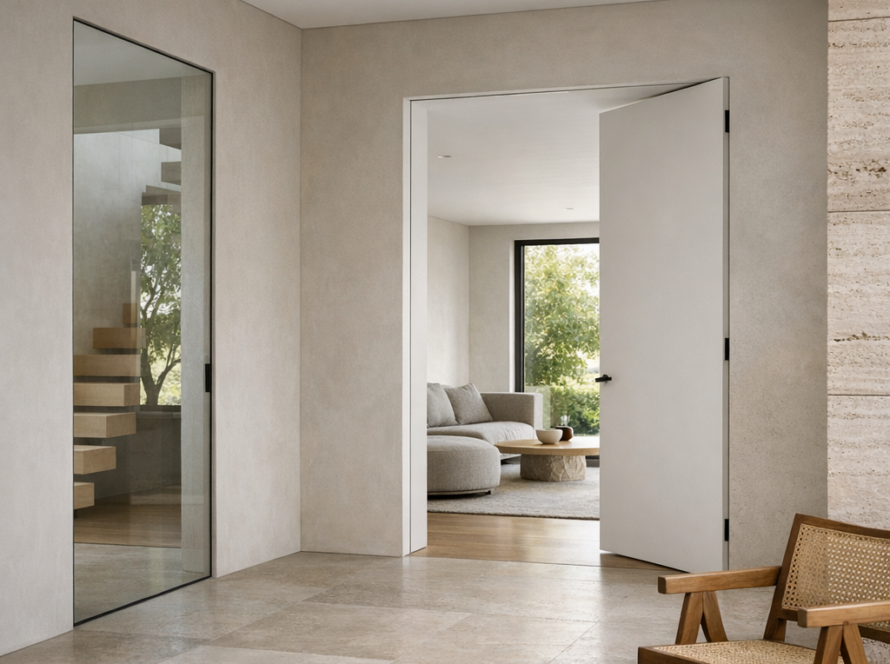
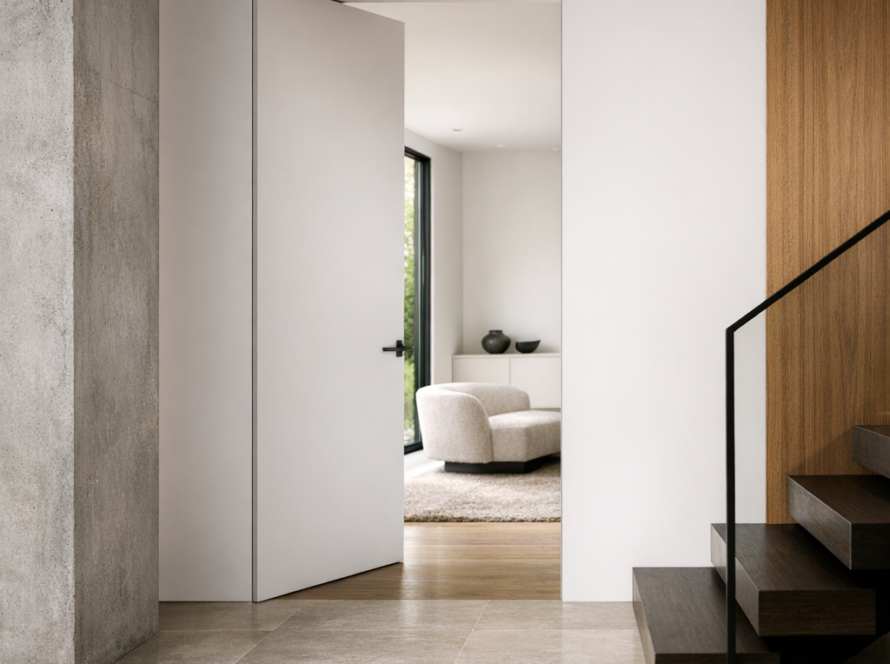
Understanding Materiality in Frameless Interior Door Design
Materiality transcends mere surface appearance; it shapes how we interact with and perceive architectural elements, especially doors. Frameless interior doors, characterized by their concealed frames and seamless integration, derive much of their impact from the materials and textures selected. In contemporary design, materiality becomes a vital language of expression, playing with tactility, light, and spatial perception.
The Sensory Dimension: Texture and Tactility
Unlike traditional doors with prominent frames and details, frameless doors invite direct sensory engagement through their uninterrupted surfaces. The texture and finish chosen—be it a smooth lacquer, a finely grained wood veneer, or even innovative composite materials—affect how the door feels in hand and responds to light.
- Wood Veneers: Natural wood, with its rich grain patterns and subtle variation, adds warmth and depth. Different species like walnut, oak, or maple provide unique tactile and visual experiences.
- Lacquered Surfaces: Lacquer offers a refined, often glossy or matte finish that enhances light reflection and visual purity, heightening the minimalist aesthetic.
- Composite and Engineered Materials: Advanced materials bring durability and consistency yet allow designers to simulate textures ranging from stone to fabric.
Architectural Implications of Material Choices
The selection of materials for frameless interior doors impacts the overall architectural narrative of a space. A door’s material can subtly echo or thoughtfully contrast surrounding finishes—walls, flooring, and furniture—affecting harmony and hierarchy.
For example, matching a door’s wood veneer with adjacent millwork creates seamless continuity. Alternatively, selecting a textured matte black composite panel can create a deliberate focal point or visual anchor within a muted palette.
Light Interaction and Mood
The interplay of door material and lighting conditions modulates spatial ambiance. Matte and textured finishes diffuse light softly, minimizing glare and contributing to a serene environment. Glossy or reflective surfaces amplify natural daylight, enlivening interiors with dynamic highlights.
Durability and Maintenance
Material choices also inherently influence the protective qualities of frameless doors. Wood veneers require careful maintenance to sustain their natural beauty, while lacquered and composite finishes offer enhanced resistance to scratches and stains. Selecting materials involves balancing aesthetic goals with practical considerations tied to the intended use and environment.
Innovative Treatments and Surface Detailing
Emerging methods such as laser engraving, micro-texturing, and tactile coatings expand the design vocabulary for frameless doors, adding subtle patterning or haptic variation without compromising the minimalist silhouette.
These surface interventions support bespoke design ambitions, enabling architects and designers to introduce narrative elements, cultural references, or functional cues through materiality.
Case Study: Integrating Materiality to Conceal and Reveal
Consider a contemporary residence where frameless doors clad in soft-textured oak veneer blend with flush wooden wall panels, effectively dissolving thresholds visually while inviting touch. Here, materiality not only conceals the door’s outline but elevates the overall sensory experience by layering wood’s warmth and tactility throughout the space.
This approach maintains the architectural coherence crucial to frameless door design, emphasizing subtlety and elegance over ornamentation.
Conclusion: Materiality as a Gateway to Architectural Depth
Material and texture choices in frameless interior door design profoundly affect how these doors function and are perceived beyond their utilitarian role. By embedding tactility and carefully curated finishes into door surfaces, architects and designers can transform transitional elements into architectural statements that enrich the spatial narrative.
Exploring materiality deepens our understanding of modern interior doors and invites a richer, multi-sensory dialogue between inhabitants and their environments.
For a curated selection of premium frameless interior doors that showcase exceptional material craftsmanship, visit the catalog section on Frameless Interior Doors. Also, discover refined architectural door inspirations at Dayoris for further exploration of materiality in modern door design.